
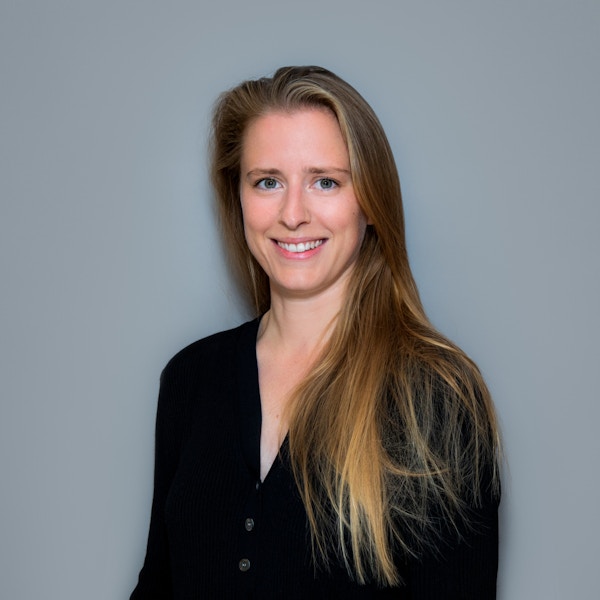
 Sol Malm Hagen, Lege

Sol Malm Hagen, DoctorLast updated October 22, 2025
Every year, around 4,215 women and 36 men in Norway are diagnosed with breast cancer. Both environmental factors and heredity can affect the risk – but fortunately, the prognosis today is good.
“The vast majority of lumps discovered in the breast are benign. In women, this can be due to, for example, fibroadenomas or thickenings in the mammary gland tissue. In men, it is usually enlarged mammary gland tissue (gynecomastia),” explains Sol Malm Hagen, a doctor at Eyr.
Anyone who discovers changes in the breast should be examined by a doctor.
At Eyr, we cannot assess the lump itself, but we can help you assess whether you should see a doctor and provide advice based on family history and risk factors.
When should you react?
Anyone who discovers changes in the breast should be examined by a doctor.
“The doctor performs a physical examination and refers you to a hospital or private clinic if necessary,” Hagen explains.
At Eyr, we cannot assess breast lumps themselves, but we can help you assess whether you should see a doctor.
“We can also provide advice based on family history if you are unsure about the need for a check-up or more frequent examinations,” she adds.
Symptoms you should be aware of
Contact a doctor if you experience:
- A lump in the breast or armpit that does not disappear
- Discharge or blood from the nipple
- Changes in the shape of the nipple or the skin around it
- Lumps, swelling, or indentations in the skin
- Redness or swelling in the breast
Factors that can affect the risk of breast cancer
- Heredity: The risk increases if you have close relatives (mother, sister, daughter) with breast cancer. Certain gene variants, such as BRCA1 and BRCA2, further increase the risk.
- Age at first birth: Early pregnancy and multiple births can reduce the risk.
- Alcohol: The risk increases with increased alcohol consumption – regardless of the type of drink.
- Overweight and lack of physical activity: A healthy body weight and regular exercise protect against several types of cancer.
- Diet and smoking: Eat a varied diet and avoid tobacco.
How Eyr doctors can help
Although Eyr cannot assess breast lumps themselves, our doctors can:
- Advise on symptoms that should be further investigated
- Help you assess the need for physical doctor contact
- Advise on heredity and risk factors
- Answer questions about screening and follow-up
Early detection saves lives. Knowledge of symptoms and risk factors is the first step towards early diagnosis and good treatment.